Table of Contents
- What Commercial Plumbing Maintenance Includes
- Commercial Plumbing Inspection Checklist
- Commercial Drain Cleaning Frequency
- Signs of Commercial Plumbing Failure
- Commercial Plumbing Code Requirements
- Why Preventative Maintenance Protects Your Bottom Line
- Conclusion
Last Updated: August 15, 2026
Commercial Plumbing Maintenance: A 2026 Guide
Proper commercial plumbing maintenance prevents costly emergencies and keeps your facility running smoothly. At First Choice Plus Plumbing & Air, we’ve helped businesses throughout the Treasure Coast protect their infrastructure. This guide covers the essential components of commercial plumbing maintenance, inspection protocols, and preventative strategies that safeguard your bottom line.
What Commercial Plumbing Maintenance Includes
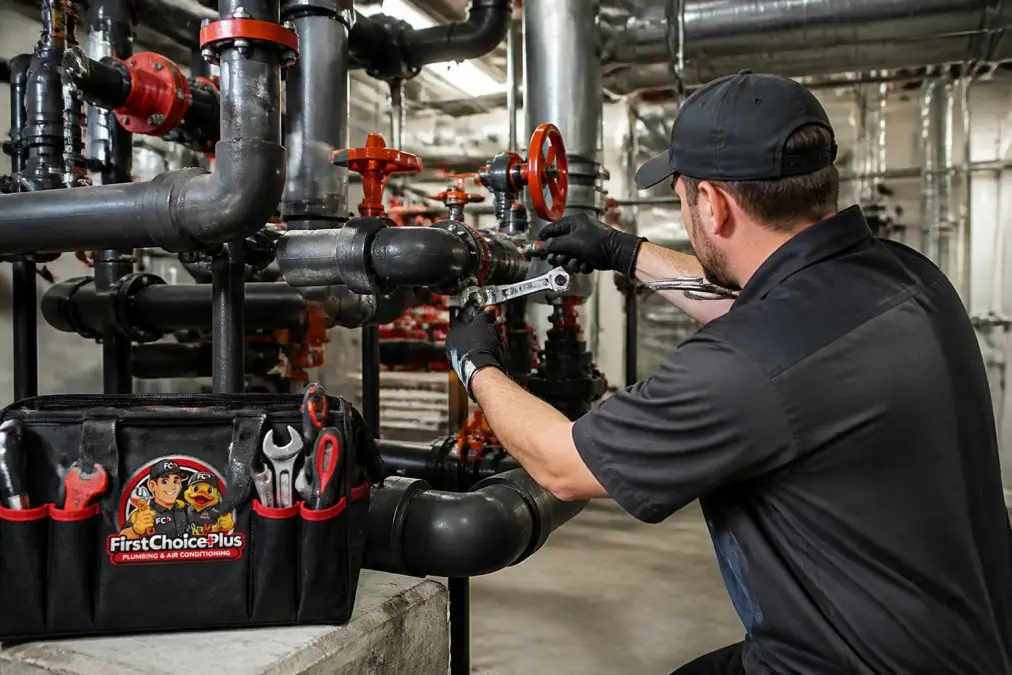
Commercial plumbing maintenance encompasses routine inspections, testing, drain cleaning, and preventative repairs designed to catch problems before they become emergencies. Unlike residential systems, commercial plumbing infrastructure handles higher volume, serves more users, and operates under stricter building codes. A comprehensive maintenance program protects your investment and extends system lifespan.
Routine Inspections and Testing
Regular inspections identify potential failures early. A licensed plumber examines pipes, fixtures, water heaters, and drainage systems to spot corrosion, leaks, mineral buildup, and code violations. Testing includes pressure checks, flow rate measurements, and backflow prevention device inspections to ensure compliance with local plumbing codes.
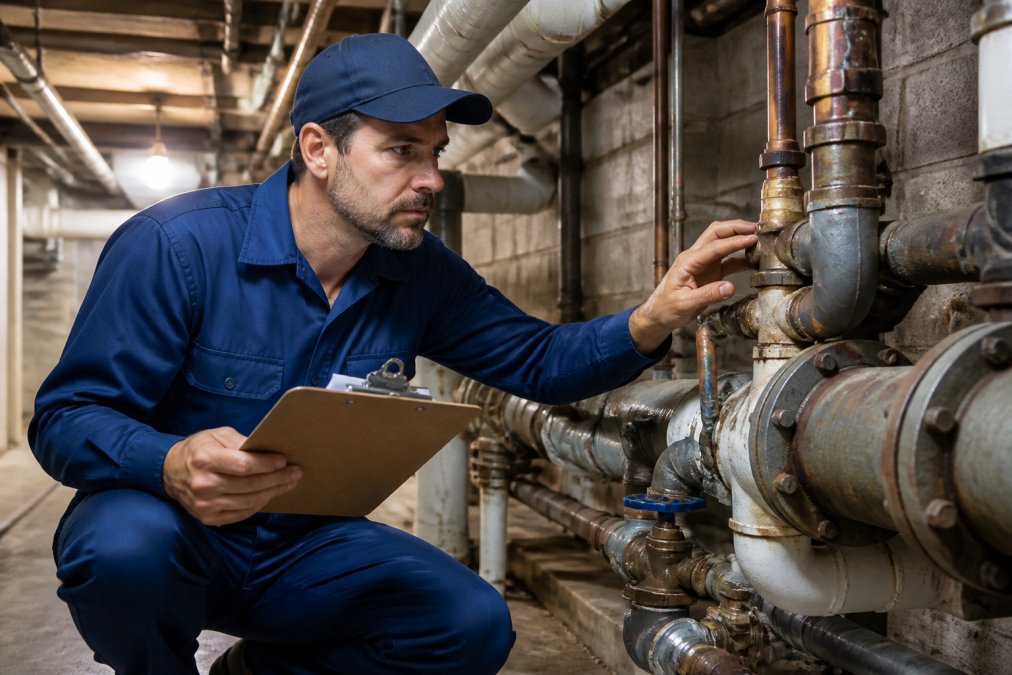
Inspections should occur at least quarterly for most commercial facilities. High-use properties, such as restaurants, medical offices, or multi-tenant buildings, benefit from monthly evaluations. These routine checks catch small issues like minor leaks or sediment buildup before they escalate into major repairs that disrupt operations.
Drain and Sewer Line Services
Drain cleaning and sewer line maintenance prevent backups that can halt business operations. Hydro-jetting uses pressurized water to clear grease, mineral deposits, and debris from pipes without damaging infrastructure. Regular drain cleaning maintains optimal flow and prevents the costly sewage backups that plague commercial properties.
Sewer line inspection using video cameras identifies cracks, root intrusion, and misaligned joints before they cause failure. Preventative cleaning of grease traps in restaurants and food-service facilities prevents overflow and regulatory violations. Many commercial properties require professional drain cleaning annually or semi-annually depending on usage patterns.
Commercial Plumbing Inspection Checklist
A thorough commercial plumbing inspection covers specific systems and components that require professional evaluation. This checklist ensures nothing gets overlooked.
Water Supply and Distribution:
- Inspect main water line for leaks, corrosion, or damage
- Test water pressure at multiple fixtures (should typically range 40-80 PSI)
- Check for mineral buildup or sediment in lines
- Verify proper backflow prevention devices are installed and functional
- Inspect all visible pipes for signs of corrosion or deterioration
Drainage and Sewage:
- Clear drain lines of debris, grease, and mineral buildup
- Inspect sewer line for cracks, root intrusion, or misalignment using video camera
- Test drainage flow rates at all fixtures
- Check cleanout access points for blockages
- Evaluate grease trap condition and schedule cleaning if needed
Water Heaters and Hot Water Systems:
- Check water heater for leaks, rust, or sediment accumulation
- Verify temperature and pressure relief valves operate correctly
- Inspect insulation on hot water pipes
- Test hot water delivery time at distant fixtures
- Review maintenance records and flush schedule
Fixtures and Connections:
- Inspect all faucets, toilets, and urinals for leaks
- Check valve operations throughout the facility
- Examine under-sink areas for hidden leaks
- Verify proper slope on drainage lines (typically 1/4 inch per foot)
- Test emergency shut-off valves
Compliance and Safety:
- Verify backflow prevention testing is current
- Check that all work complies with local plumbing codes
- Inspect for cross-connections that violate code
- Review water treatment systems if applicable
- Confirm proper labeling of shut-off valves and emergency procedures
Professional evaluation is essential when inspections reveal safety concerns, potential sewage issues, or gas line complications. We recommend scheduling inspections with a licensed plumber who understands commercial plumbing code requirements specific to your facility type.
Commercial Drain Cleaning Frequency
Drain cleaning frequency should be determined by facility type, usage volume, and the cost of downtime, not a one-size-fits-all schedule. Understanding the true expense of neglect helps property managers justify preventative investment.
Facility-Specific Cleaning Intervals
Restaurants and food-service operations typically require monthly or quarterly drain cleaning due to grease accumulation. A single grease backup can force closure during peak revenue hours, costing thousands in lost sales plus emergency service fees. Quarterly cleaning prevents this scenario. Office buildings with moderate restroom use may need semi-annual cleaning. High-traffic facilities like hospitals, shopping centers, or multi-tenant commercial buildings often benefit from quarterly service because the cost of a sewage backup, facility evacuation, health code violations, emergency repairs, far exceeds routine maintenance.
Manufacturing facilities with process water discharge, laundries, and car washes face unique drainage challenges and should be evaluated individually. A licensed plumber can assess your actual drainage patterns and recommend a schedule based on debris accumulation rather than guesswork.
The Hidden Cost of Delayed Cleaning
Skipping or delaying drain cleaning creates a false economy. Grease hardens in pipes over weeks, forming blockages that require hydro-jetting or even pipe replacement. A preventative quarterly cleaning costs a fraction of emergency hydro-jetting plus facility downtime. For restaurants, a single sewage backup can result in health department citations, temporary closure, lost customer trust, and repair costs exceeding several months of routine maintenance.
Video inspection reveals the actual condition of your drainage system. If your facility shows heavy debris accumulation, more frequent cleaning prevents the exponential cost increase that occurs when blockages form. Conversely, if inspection shows minimal buildup, you may be able to extend intervals and reduce unnecessary service calls.
Grease Trap Maintenance as a Compliance and Cost Issue
Food-service establishments are required by code to maintain grease traps. Neglecting this creates two problems: regulatory violations that trigger fines, and catastrophic pipe damage when grease solidifies. Grease trap pumping should occur before the trap reaches capacity, typically every 1 to 3 months depending on volume. Many property managers underestimate this frequency and face surprise backups during service.
Documenting your drain cleaning and grease trap maintenance schedule protects your business. If a plumbing failure causes damage or health code violations, records of preventative service demonstrate responsible facility management and support insurance claims.
Many commercial properties establish preventative maintenance schedules based on professional recommendations rather than waiting for problems to occur. This approach saves money by preventing emergency calls, facility closures, and the compounding costs of deferred maintenance.
Signs of Commercial Plumbing Failure
Early warning signs allow you to address problems before they become emergencies. Slow drains, even if water eventually flows, indicate developing blockages that will worsen. Unusual odors from drains suggest bacterial growth or sewage backing up into the system. Water stains on ceilings or walls indicate hidden leaks in pipes or fixtures above.
Gurgling sounds from drains often signal air trapped in lines due to blockages or venting issues. Frequent backups despite cleaning suggest deeper problems like root intrusion or pipe damage. Rust-colored water indicates corroded pipes that may fail soon. Unexplained increases in water bills often reveal hidden leaks that waste water and money.
Pressure fluctuations at fixtures, some running weak while others flow normally, suggest problems with the main water line or pressure regulation. Wet spots in landscaping near your building may indicate underground sewer line damage. Any of these signs warrant professional evaluation to prevent costly failures.
Commercial Plumbing Code Requirements
Commercial plumbing must comply with the International Plumbing Code and local amendments specific to your jurisdiction. These codes establish minimum standards for pipe sizing, material selection, slope requirements, venting, and fixture spacing. Compliance protects public health and ensures systems function reliably.
Backflow prevention devices are mandatory in commercial facilities to prevent contaminated water from flowing backward into the public water supply. These devices require annual testing and certification by licensed professionals. Grease traps are required in food-service establishments and must be properly sized, installed, and maintained according to code.
Water pressure must be regulated to remain between 40 and 80 PSI in most commercial applications. Drain lines must slope properly, typically 1/4 inch per foot, to ensure gravity-fed drainage. All fixtures must have adequate venting to allow air into the system and prevent siphoning that breaks seals.
Hot water systems must maintain temperatures that prevent legionella growth while avoiding scalding hazards. Pipe materials must be appropriate for the water chemistry and use. Cross-connections that could allow non-potable water to enter the drinking water system are strictly prohibited.
Professional evaluation is critical when you’re uncertain about code compliance or when planning facility modifications. Local building departments enforce these requirements, and violations can result in citations, forced shutdowns, or liability if problems cause injury or damage.
Why Preventative Maintenance Protects Your Bottom Line
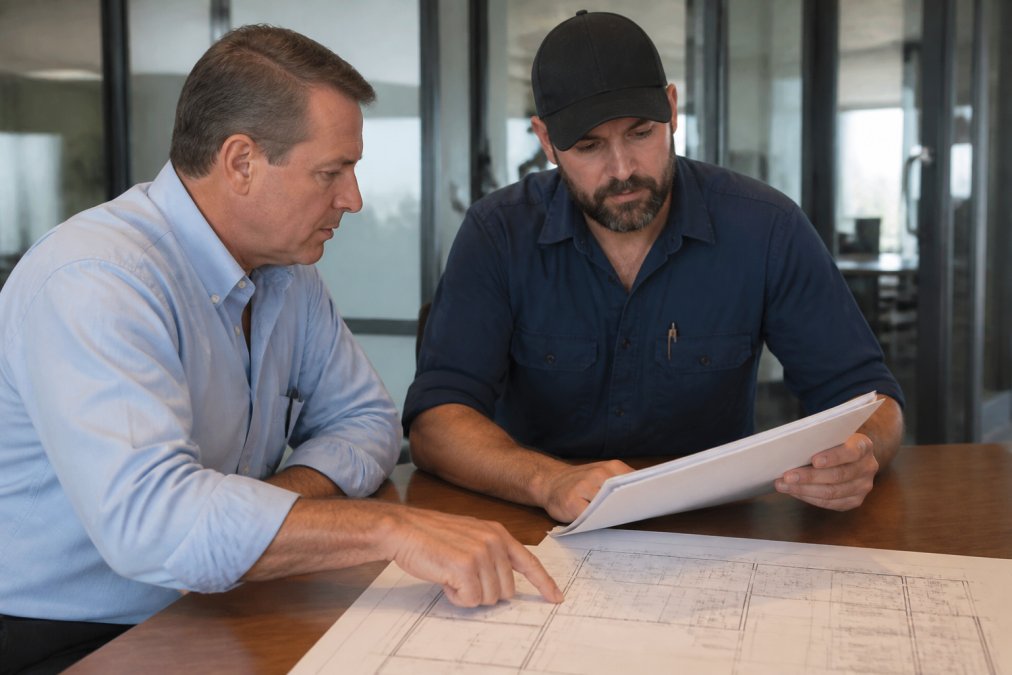
Preventative maintenance costs far less than emergency repairs, but the real value lies in understanding the financial trade-off. A burst pipe, sewage backup, or water heater failure forces facility closure, disrupts operations, and triggers emergency service calls at premium rates. Regular maintenance catches problems when they’re small and inexpensive to fix.
Comparing Routine Maintenance Against Emergency Repair Costs
A quarterly plumbing inspection identifies slow drains, minor leaks, and corrosion before they become failures. Addressing these issues during regular service costs significantly less than emergency hydro-jetting, pipe replacement, or sewage cleanup. The difference becomes stark when you consider facility downtime: a restaurant cannot serve customers during a sewage backup; a medical office cannot operate without reliable water and sanitation; a retail location loses revenue when restrooms are out of service.
Consider the timeline: a small leak discovered during routine inspection might cost a few hundred dollars to repair. The same leak, left unaddressed for months, can damage structural framing, create mold, and require thousands in water damage restoration plus facility closure during repairs. A water heater showing signs of sediment buildup can be flushed and serviced routinely; a failed water heater requires emergency replacement and leaves your facility without hot water until the new unit arrives and is installed.
Preventative maintenance spreads costs over time in predictable, budgetable increments. Emergency repairs concentrate costs in sudden, disruptive events that often occur at the worst possible time, during peak business hours or on weekends when emergency rates apply.
Extended System Lifespan and Avoided Replacement
Commercial plumbing systems properly maintained operate reliably for decades. Neglected systems fail prematurely, forcing expensive replacement of pipes, fixtures, and water heaters. A commercial water heater maintained with regular flushing and inspection can operate 10-15 years or longer; one neglected due to sediment accumulation may fail in 5-7 years. Multiply this across all major systems in your facility, and the cumulative cost of deferred maintenance becomes substantial.
Pipe corrosion accelerates when systems are not inspected regularly. Corroded pipes reduce flow efficiency, create leaks, and eventually require whole-section replacement. Preventative inspection catches corrosion early, when localized repair or treatment is possible, rather than forcing full replacement of major runs.
Compliance, Liability, and Insurance Benefits
Compliance with building codes and regulations protects your business from citations, forced shutdowns, and liability. Backflow prevention devices must be tested annually; grease traps must be maintained; water pressure must be regulated. Failure to comply can result in health department violations, operational shutdowns, or liability if a plumbing failure causes injury or property damage.
Documentation of preventative maintenance demonstrates you acted responsibly and can support insurance claims if problems occur despite your efforts. Insurance companies often provide better rates for facilities with documented maintenance programs because the risk profile is lower. A facility with records of quarterly inspections and routine service is a better insurance risk than one with a history of emergency repairs and reactive fixes.
Operational Continuity and Revenue Protection
Unexpected plumbing failures disrupt business and damage reputation. Restaurants cannot serve customers during sewage backups. Medical offices cannot operate without reliable water and sanitation. Retail locations lose revenue when restrooms are out of service. Hotels face guest complaints and cancellations. Manufacturing facilities experience production delays. Preventative maintenance minimizes these disruptions by catching problems before they force closure.
Water Efficiency and Sustainability
Water efficiency improves when systems are properly maintained. Leaking fixtures waste thousands of gallons annually and inflate water bills. Corroded pipes reduce flow efficiency. Clean drains operate at optimal capacity. Regular maintenance identifies and fixes these inefficiencies, reducing water consumption and lowering utility costs. For facilities with sustainability goals or water conservation mandates, preventative maintenance supports compliance while reducing operating expenses.
First Choice Plus Plumbing & Air has served Port St. Lucie and the Treasure Coast, helping commercial property owners protect their facilities through comprehensive maintenance programs. We recommend scheduling professional inspections and developing a maintenance plan tailored to your specific facility needs. A licensed plumber can assess your systems, identify risks, and recommend a preventative schedule that balances cost with operational reliability.
Frequently Asked Questions
What is included in a commercial plumbing maintenance plan?
A comprehensive commercial plumbing maintenance plan typically includes routine inspections of pipes, fixtures, and drainage systems; preventative drain cleaning; backflow prevention testing; water heater servicing; and leak detection. The specific services depend on your facility type and size. First Choice Plus Plumbing & Air designs maintenance agreements tailored to your commercial property's needs, helping you avoid costly emergency repairs and extend the life of your plumbing infrastructure.
How often should commercial plumbing be inspected?
Most commercial facilities benefit from inspections at least twice per year, though high-use properties like restaurants or medical offices may need quarterly checks. Regular inspections catch small issues before they become expensive failures. Your plumbing contractor can recommend an inspection schedule based on your building's age, usage patterns, and history. We've served the area since 2007 and help property managers establish inspection schedules that keep systems running smoothly.
What are the benefits of preventative plumbing maintenance for businesses?
Preventative maintenance reduces unplanned downtime, extends system lifespan, improves water quality, and helps ensure code compliance. By addressing minor issues early, you avoid emergency repairs that disrupt operations and cost significantly more. Businesses that invest in regular maintenance also see better water efficiency and lower utility bills. First Choice Plus Plumbing & Air helps commercial property owners protect their investment and maintain reliable facility operations.
Does commercial plumbing maintenance help with code compliance?
Yes. Regular maintenance and inspections help ensure your commercial plumbing meets local and state codes, including backflow prevention requirements and fixture standards. Compliance testing is part of a complete maintenance program. Many businesses discover code issues during routine inspections that, when corrected, protect tenants and avoid potential fines. Professional evaluation is recommended when code compliance concerns arise.
Ready to protect your commercial plumbing infrastructure? Contact First Choice Plus Plumbing & Air to schedule a professional inspection and discuss a preventative maintenance plan for your Port St. Lucie or Treasure Coast facility. Emergency and after-hours service may be available, subject to location, the type of problem, and technician availability. Let us help you avoid costly failures and keep your business running smoothly.
This article was written using GrandRanker