
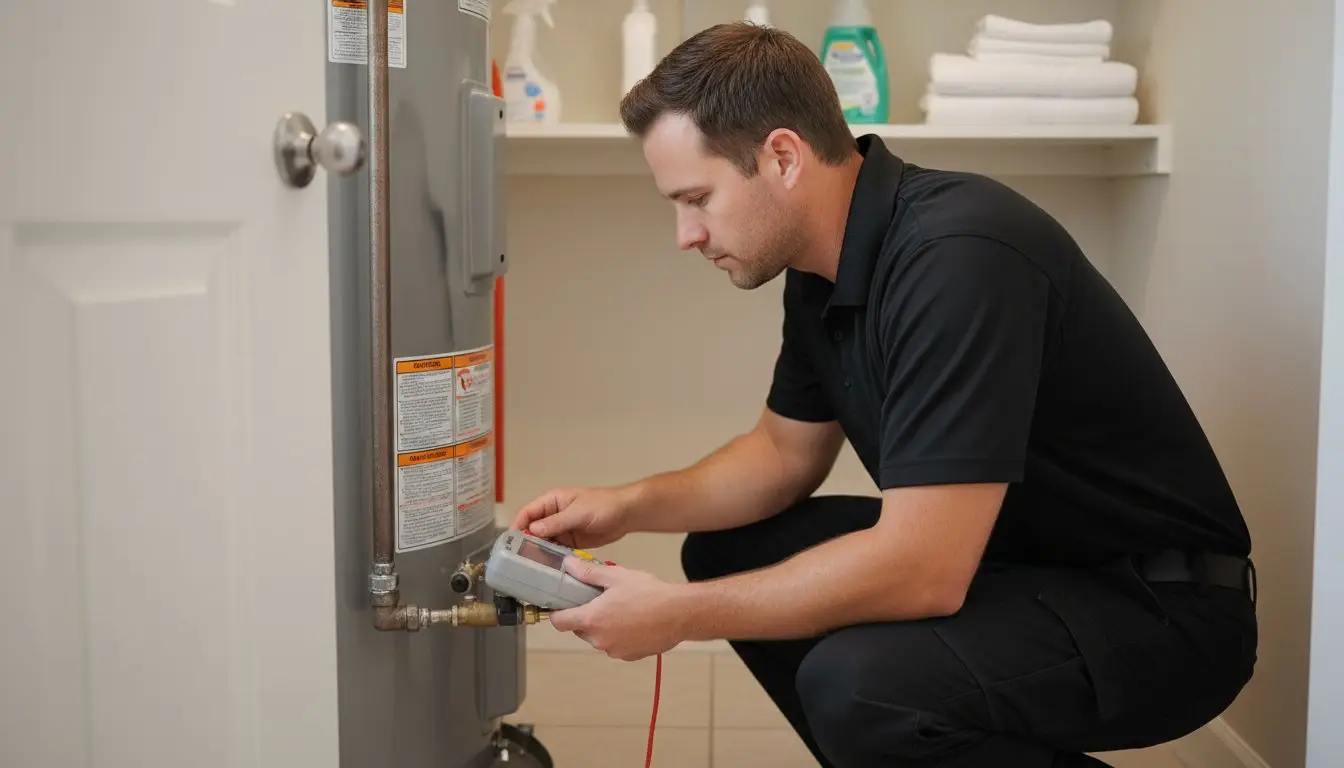
What if the reason your water heater pilot light won’t stay lit is actually proof that your system is working exactly as designed? It sounds backward when you’re facing a cold shower in Port St. Lucie, but most modern water heaters are built with sensitive safety sensors that shut everything down the moment they detect a small irregularity. While the lack of hot water is a major headache for your morning routine, that stubborn flame is often a safety feature protecting your home from gas leaks rather than a sign of a total system failure.
We understand the anxiety that comes with gas appliances and the frustration of lukewarm dishes. In this guide, we will show you how to troubleshoot the most common culprits, from a grimy thermocouple to air in the gas line, so you can restore your hot water safely. We will also help you decide if a simple cleaning will do the trick or if it’s time to call a Treasure Coast professional for a repair before new 2026 efficiency standards change the landscape of home heating.
Key Takeaways
- Identify how a dirty thermocouple or clogged pilot orifice triggers a safety shutdown to prevent gas leaks in your home.
- Learn why the salt air and high humidity in Treasure Coast towns like Stuart and Jensen Beach cause faster wear on your heater’s internal components.
- Follow a safe, step-by-step sequence to troubleshoot and relight the flame when your water heater pilot light won’t stay lit.
- Recognize the specific warning signs that indicate a minor cleaning won’t work and a professional gas valve replacement is necessary.
Why Your Water Heater Pilot Light Won’t Stay Lit: The 3 Most Common Causes
When your water heater pilot light won’t stay lit, it is easy to assume the whole tank is broken. Most of the time, the issue lies within three specific components designed to keep your home safe. These parts act as a gatekeeper for the gas supply. If they detect even a tiny problem, they shut the system down to prevent a dangerous gas buildup in your home.
The most frequent culprit is the thermocouple. A thermocouple is a safety device that converts heat into an electrical signal to hold the gas valve open. If this sensor doesn’t detect enough heat from the pilot light, it immediately cuts the gas supply. Over time, this small copper rod can wear out, corrode, or simply shift out of position.
Identifying a Faulty Thermocouple
You can often spot a failing thermocouple just by looking at it. Look for heavy soot buildup, green corrosion, or a tip that has bent away from the flame. Try the 20-second test to confirm the diagnosis. If the flame ignites but vanishes the moment you release the control knob, the thermocouple likely isn’t sending that electrical signal. You can sometimes revive it by gently cleaning the tip with a scouring pad, but if the copper line is kinked or burnt, it is time for a replacement.
Clogged Pilot Tubes and Airflow Issues
Sometimes the sensor is fine, but the gas just can’t reach it. Dust, carbon deposits, or even tiny spider webs can block the narrow pilot tube. This results in a weak, yellow flame that flickers rather than a steady, sharp blue cone. Proper combustion requires a specific balance of air and gas. In Port St. Lucie homes, drafts from poorly sealed garage doors or attic vents can also smother the flame. If your water heater pilot light won’t stay lit after a heavy windstorm on the Treasure Coast, check the airflow around the utility closet first.
If the thermocouple and tube are clean, the issue might be the gas control valve itself. This is the brain of your unit. Internal mechanical failures or a tripped thermal switch can permanently disable the pilot. While parts like a thermocouple are affordable to swap, a failing valve is a more complex fix that often signals it is time for professional water heater services to ensure your system meets current safety and efficiency standards.
Environmental Factors: Florida Humidity and Gas Supply Issues
Living on the Treasure Coast presents unique challenges for gas appliances. Homeowners in Port St. Lucie often see faster wear on water heater components due to our local climate. The salt air in coastal towns like Jensen Beach or Stuart is particularly aggressive. It accelerates the oxidation of copper thermocouple lines, creating a crusty layer that prevents the sensor from functioning. When this happens, your water heater pilot light won’t stay lit because the system can’t verify the flame’s presence through the corrosion.
Humidity also plays a role in pilot stability. Extremely high moisture levels can lead to erratic behavior or “smothering” of the flame. In some cases, condensation can drip onto the pilot assembly, causing it to sputter and die. Before assuming the unit is broken, check your other gas appliances. If your stove or fireplace won’t ignite, the issue is likely a utility-wide supply problem rather than a hardware failure. Prioritizing water heater safety means always ruling out external supply issues before tinkering with the unit.
Checking Your Main Gas Valve and Supply
Start by verifying the gas handle position. The valve should be parallel to the pipe to stay open. If it is perpendicular, the gas is cut off. If you recently had plumbing repairs, there might be air trapped in the lines. This air must be bled out safely before the pilot can maintain a steady flow of fuel. Simply holding the pilot button down for a minute or two can often clear the air pocket.
The Role of the Thermal Switch
Modern heaters include a thermal switch to prevent fires. This safety mechanism shuts down the heater if it detects excessive heat in the combustion chamber. In dusty Florida garages, a dirty air intake screen is a common trigger. If the unit can’t breathe, the chamber overheats and trips the switch. If your water heater pilot light won’t stay lit and the unit feels unusually hot to the touch, cleaning the intake screen might resolve the issue. If the problem persists, a professional water heater tune-up can ensure your system is venting properly.

Step-by-Step: How to Safely Relight Your Pilot Light
Relighting your unit is a straightforward process, but you must prioritize safety above all else. Start by turning the gas control knob to the ‘OFF’ position. You must wait at least 5 minutes before proceeding. This window allows any residual gas that may have collected in the combustion chamber to dissipate. Skipping this wait time can lead to a dangerous flash fire when you introduce a spark.
Once the air is clear, rotate the knob to the ‘PILOT’ position. Press the knob down firmly and hold it. While keeping the knob depressed, click the red or black igniter button until you see a small flame through the sight glass. For older models found in many Fort Pierce or St. Lucie West homes, you might need to use a long-reach fireplace lighter to reach the pilot burner manually.
Don’t release the knob immediately after the flame appears. You must continue holding the knob down for 30 to 60 seconds. This duration ensures the thermocouple is hot enough to generate the electrical signal needed to hold the gas valve open. If you let go too soon and find your water heater pilot light won’t stay lit, you will need to restart the entire 5-minute safety wait. After the holding phase, slowly turn the knob to the ‘ON’ position. You should hear the main burner roar to life as it begins heating the water.
Safety First: When to Stop and Call a Professional
If you ever detect a “rotten egg” or sulfur smell, stop what you’re doing immediately. Do not flip any light switches or use your phone inside the house. Leave the premises and call First Choice Plus Plumbing & Air immediately from a safe distance. Additionally, if your water heater pilot light won’t stay lit for more than a few hours at a time, you likely have a cracked burner or a failing gas valve. For these complex mechanical issues, the water heater services team at our Port St. Lucie location can provide a safe diagnosis. While our main office in Port St. Lucie provides both plumbing and air conditioning repairs, please note that our secondary location in Land O’ Lakes provides plumbing services only and does not handle AC work.
Maintaining Your Water Heater in the Treasure Coast
- Annual flushing: Removing sediment buildup from the bottom of the tank prevents the burner from overheating and prematurely wearing out the pilot assembly.
- Keeping the area clear: Ensure you don’t store flammable chemicals, gasoline, or heavy clutter around your water heater in the garage. This restricts the oxygen needed for a stable flame and creates a fire hazard.
Restoring Your Home’s Hot Water Reliability
Maintaining a steady flame shouldn’t be a daily chore for your family. By addressing environmental factors like salt air corrosion and following a safe relighting sequence, you can often resolve minor issues yourself. However, if your water heater pilot light won’t stay lit despite your best efforts, it is usually a sign that the safety sensors or the gas control valve have reached their limit. These components are designed to protect your home, and their failure is a signal that professional attention is required.
First Choice Plus Plumbing & Air has served as a dependable pillar of the Treasure Coast community since 2007. We bring technical authority and neighborly warmth to every service call, whether you need a quick thermocouple replacement for a standard tank or complex troubleshooting for a high-efficiency tankless system. Our Port St. Lucie team is available 24/7 to resolve these stressful emergencies with transparent pricing and the steady hand of a master craftsman.
You deserve the security of a hot shower and a system that works exactly when you need it. Let us take the weight off your shoulders so you can get back to your daily routine with total peace of mind.
Frequently Asked Questions
Is it dangerous if my water heater pilot light goes out?
Modern water heaters are designed with a fail-safe system that cuts off the gas supply if the flame vanishes. This prevents gas from filling your home. However, it is still vital to stay alert for any unusual smells. If your water heater pilot light won’t stay lit and you notice a sulfur odor, do not try to relight it. Evacuate the area immediately and contact a professional to check for leaks.
Why does my pilot light go out as soon as I release the reset button?
This usually indicates that the thermocouple is not generating enough voltage to keep the internal magnet in the gas valve open. When your water heater pilot light won’t stay lit after the holding phase, the sensor is likely dirty or misaligned. If a quick cleaning doesn’t fix it, the internal copper wiring may have snapped, requiring a full replacement of the assembly to restore normal operation.
Can I replace a thermocouple myself?
Handy homeowners can often replace a thermocouple with basic tools. It involves disconnecting the pilot tube and the thermocouple lead from the gas control valve. If the process feels overwhelming or if your heater is a newer model with a sealed glass viewing window, it is safer to call First Choice Plus Plumbing & Air. Our technicians ensure the burner assembly is resealed perfectly to maintain proper combustion and home safety.
How much does it cost to have a plumber fix a pilot light issue?
The total depends on whether you need a simple cleaning, a new thermocouple, or a complex gas control valve replacement. While a sensor replacement is a standard task, a failing valve is a more significant investment. We recommend requesting a transparent estimate from a local expert who understands the specific venting requirements for Treasure Coast homes. This ensures your repair meets the latest safety codes without hidden fees.
What does the color of my pilot light flame mean?
A healthy flame should be a crisp, steady blue color. This indicates the burner is receiving the perfect mix of gas and oxygen. If the flame is yellow or flickering, it means the burner is dirty or the air intake is clogged with dust. A yellow flame lacks the heat intensity needed to satisfy the thermocouple, which is why a dirty burner often leads to a pilot that won’t stay lit.
How often should I have my gas water heater inspected in Florida?
We recommend a professional inspection at least once a year. Our local humidity can cause internal components to corrode faster than in drier climates. During a visit, First Choice Plus Plumbing & Air can clean the pilot assembly and check for gas leaks. Please remember that our Port St. Lucie location handles both plumbing and air conditioning needs, while our Land O’ Lakes location provides plumbing services only and does not handle AC work.

Article by
Written by First Choice Plus Plumbing & Air Team
This article was created by the team at First Choice Plumbing Solutions, a licensed and experienced plumbing and HVAC company serving Port St. Lucie, Land O’ Lakes, and surrounding areas.
Our team specializes in plumbing and air conditioning services, including drain cleaning, leak detection, water heater repair and installation, AC repair, maintenance, and system installations. Our content is based on real-world experience and the common issues we solve for homeowners and businesses every day.
We aim to provide accurate, helpful, and easy-to-understand information so you can make informed decisions about your plumbing and HVAC needs.
If you need reliable, professional service, First Choice Plumbing Solutions is here to help.
Disclaimer
Disclaimer: The information provided in this article is for general informational purposes only and does not constitute professional plumbing or HVAC advice. Every situation is different, and readers should consult a licensed professional for proper diagnosis and repair. First Choice Plus Plumbing & Air is not liable for any damages or losses resulting from the use of this information.