Did you know that over 20% of all home insurance claims in Florida are mold-related? With 264,000 claims filed in a single year, our state ranks as the second most likely place for homes to develop dampness issues. It’s a stressful thought for any Port St. Lucie homeowner planning a getaway. You want to enjoy your time off, not worry about stagnant water or foul odors greeting you at the front door. Learning how to prevent mold in pipes while on vacation is the best way to ensure your homecoming is a pleasant one.
At First Choice Plus Plumbing & Air, we believe preventative maintenance is the key to avoiding the $12,500 average cost of a water damage claim. We’ve got you covered with a professional strategy to keep your plumbing pristine while you’re away. In this guide, we’ll walk you through essential steps like navigating the City of Port St. Lucie $50 water reconnection process, installing smart leak detectors, and protecting your drains from Florida’s high humidity. This checklist gives you the confidence to lock up and leave with total peace of mind.
Key Takeaways
- Understand how Florida’s heat creates “biofilm” in stagnant pipes and why managing water movement is your first line of defense.
- Follow our essential 5-step checklist on how to prevent mold in pipes while on vacation to eliminate the risk of leaks and microbial growth.
- Learn why setting your AC to 77-78 degrees is critical for controlling the indoor humidity that fuels mold on plumbing fixtures.
- Discover the “10-minute flush” rule for safely restoring your water supply and clearing out sediment when you return home.
- Navigate Port St. Lucie’s specific water shut-off guidelines to avoid unnecessary reconnection fees and protect your home’s main valve.
The Risk of Stagnation: Why Mold Grows in Florida Pipes During Vacation
Water in your pipes should always be moving. When you leave for a trip, that movement stops, and the environment changes instantly. In Port St. Lucie, where the average annual temperature sits above 72 degrees, stagnant water quickly becomes a breeding ground for bacteria. This is the core reason why you need to know how to prevent mold in pipes while on vacation. Without the regular flow of fresh, chlorinated water, the protective barriers in your plumbing break down.
Within just 24 to 48 hours of inactivity, a substance called biofilm begins to form. Biofilm is a slimy, resilient layer of bacteria and fungi that clings to the inside of your plumbing fixtures. It acts as a shield, protecting microorganisms from the small amounts of chlorine used in municipal water systems. If left unchecked, this growth can contribute to the dangers of indoor mold, eventually affecting your home’s air quality and the integrity of your plumbing components.
Several areas in your home are particularly vulnerable to this biological buildup:
- P-traps: The curved pipes under your sinks hold water to block sewer gases. When this water sits, it grows mold and evaporates, letting odors in.
- Garbage Disposals: Tiny food particles trapped in the blades rot and provide the perfect fuel for microbial colonies.
- Water Heater Tanks: These large reservoirs of warm, still water are perfect incubators for sulfur-reducing bacteria.
If you return to a “rotten egg” or sulfur smell, you’re likely dealing with hydrogen sulfide gas. This happens when specific bacteria react with the magnesium or aluminum anode rods in your water heater. Understanding how to prevent mold in pipes while on vacation ensures you don’t walk back into a home that smells like a swamp.
The Role of Heat and Humidity in Port St. Lucie
Florida’s climate is relentless. Even with the AC running, the humidity inside wall cavities can rise, creating condensation on the exterior of cold water lines. Even if you’ve recently invested in whole house repiping, stagnant water left in lines can still develop biofilm if the house isn’t properly prepped before departure. High indoor temperatures effectively turn your plumbing into an incubator for spores.
The Pre-Vacation Plumbing Checklist: 5 Steps to Prevent Mold
Stopping mold growth before it starts is much easier than scrubbing it away later. Preparing your home requires more than just locking the doors; it involves a systematic “drain down” of your entire plumbing system. To master how to prevent mold in pipes while on vacation, follow this sequence to remove the moisture that biological colonies need to survive. This proactive approach mirrors the core advice found in the EPA guide to mold and moisture, which identifies moisture control as the single most effective way to stop mold.
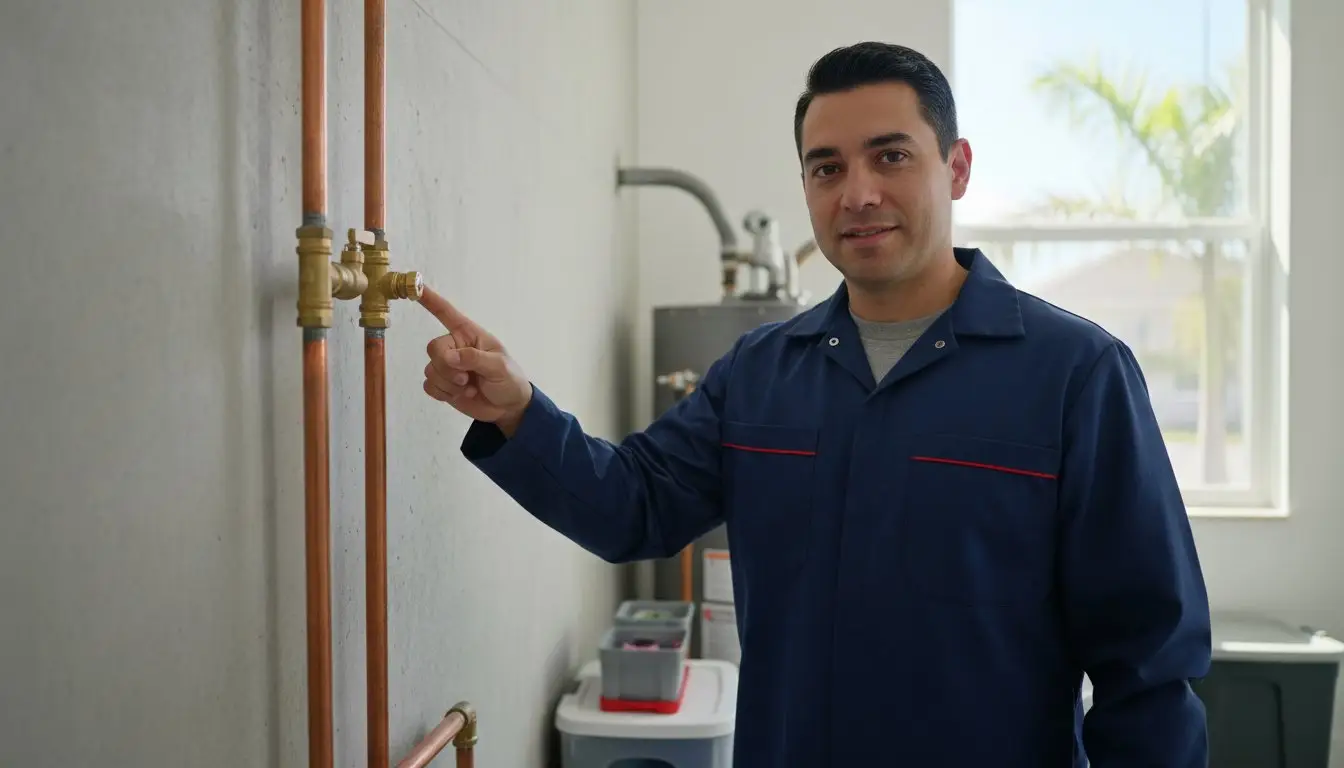
- Step 1: Shut off the main water valve. Locate your house’s main shut-off valve and turn it to the “off” position. This stops new water from entering the system and eliminates the risk of a high-pressure leak while you’re away.
- Step 2: Drain the lines. Open every faucet in the house, starting from the highest floor and moving down. Flush all toilets to empty the tanks and bowls as much as possible. This removes the standing water where biofilm thrives.
- Step 3: Sanitize the garbage disposal. Pour a cup of baking soda followed by a cup of white vinegar down the drain. The resulting fizzing action kills spores and breaks down organic residue.
- Step 4: Seal your P-traps. Pour a tablespoon of mineral oil into your sink and shower drains. The oil sits on top of the water in the trap, preventing it from evaporating and keeping sewer gases out.
- Step 5: Perform a final leak inspection. Walk through the house one last time to ensure no hidden drips remain. If you’re unsure about the state of your pipes, our team can help with professional plumbing repairs to ensure your system is airtight before you leave.
Prepping Your Water Heater and Drains
Your water heater is a massive reservoir that can easily grow bacteria if left at a lukewarm temperature. Turn the dial to “Vacation Mode” to reduce energy costs while keeping the water just warm enough to prevent blooms. For Port St. Lucie residents, this is also the time to check for silent slab leaks. A small damp spot on the floor or a warm patch on the tile can indicate a pipe failure that could turn into a disaster while the house is empty.
The Garbage Disposal and Kitchen Sink
Organic debris left in the disposal is a primary food source for mold. Before your final water shut-off, run the disposal with cold water and several citrus peels. The natural oils in the citrus help break down grease and leave a fresh scent, ensuring you don’t return to a kitchen smelling of decay.
Controlling Humidity: The HVAC Role in Preventing Plumbing Mold
While draining your lines handles internal issues, your home’s air quality dictates what happens on the outside of your plumbing. High indoor humidity levels in Florida often cause “pipe sweat,” where moisture from the air condenses on the exterior of cold water lines. This dampness is a primary catalyst for fungal growth on drywall and cabinetry near your fixtures. Understanding the link between your thermostat and your pipes is a key part of how to prevent mold in pipes while on vacation.
Learning how to prevent mold in pipes while on vacation requires a “whole home” mindset that includes your HVAC system. Set your air conditioner to no higher than 77 or 78 degrees. This range ensures the system runs frequently enough to pull moisture out of the air. If the air stays dry, the pipes stay dry. For an added layer of protection, many homeowners now opt for UV air sanitizers during their next HVAC upgrade. These devices neutralize airborne spores, preventing them from colonizing the damp areas around your P-traps and water heaters.
Airflow is your best friend when the house is empty. Keep all interior doors open, especially for bathrooms, laundry rooms, and kitchens. This simple step prevents pockets of stagnant, humid air from forming around your plumbing. Research from the University of Minnesota Extension on preventing mold in your home confirms that consistent ventilation is vital for moisture control.
The Danger of “Turning the AC Off”
Never turn your air conditioning off completely while away. In the Treasure Coast area, indoor humidity can skyrocket to 90% in just a few days without climate control. This creates a “greenhouse effect” that allows mold to proliferate across every surface, including your plumbing. Stick to a steady, moderate temperature to maintain a safe environment. If you’re worried about your system’s reliability, schedule an AC maintenance visit before you head out to ensure everything stays running smoothly.
Returning Home: How to Safely Restore Your Water Supply
Walking back into a fresh, odor-free home is the ultimate reward for following a pre-trip checklist. Your job isn’t quite finished when you drop your bags, though. Restoring your water supply requires a steady hand to avoid damaging your plumbing system. While you’ve already taken the right steps regarding how to prevent mold in pipes while on vacation, the way you reintroduce pressure matters just as much as the way you shut it off.
Start by turning your main water valve back on very slowly. If you open the valve too quickly, the sudden rush of high-pressure water can cause a “water hammer.” This violent vibration can rattle pipes inside your walls and potentially cause a leak in a joint or fitting. Once the water is on, you’ll likely hear some sputtering and coughing from your faucets. This is just trapped air escaping the lines and is completely normal.
Follow the “10-minute flush” rule to ensure your water is safe for use:
- Open every tap: Run both hot and cold water in all sinks, tubs, and showers for at least ten minutes.
- Flush all toilets: This cycles fresh, chlorinated water through the fill valves and tanks to kill any remaining bacteria.
- Run the appliances: Cycle your dishwasher and washing machine once to clear their internal lines of any stale water.
If you notice a lingering “rotten egg” smell after flushing, the bacteria mentioned earlier may have taken hold in your water heater tank. In this case, it’s best to call a Port St. Lucie plumber to perform a professional system check and ensure no biofilm remains in your fixtures.
Sanitizing Your Lines After a Long Trip
Your water heater often accumulates sediment that can trap bacteria during long periods of inactivity. Flushing the tank entirely is the most effective way to remove these particles and restore water clarity. Implementing a water quality solution, such as a whole-home filtration or softening system, can prevent future mineral buildup and make your pipes less hospitable to microbial growth.
Secure Your Peace of Mind Before You Leave
Protecting your Port St. Lucie home is all about proactive control. By following these steps for how to prevent mold in pipes while on vacation, you eliminate the stagnation and moisture that invite biological growth. You’ve now got a clear plan to handle everything from your water heater settings to your final system drain-down. Taking these simple precautions ensures your return is as relaxing as your departure, with no “smelly surprises” waiting behind the front door.
If you have concerns about a stubborn valve or a potential leak, the team at First Choice Plus Plumbing & Air is here to help. Our licensed and insured Florida experts provide upfront pricing with no surprises, backed by 24/7 emergency service for your total peace of mind. Book a Pre-Vacation Plumbing Inspection with First Choice Plus Plumbing & Air to ensure your system is in top shape. We’ve got you covered, allowing you to lock the door and head out with complete confidence in your home’s safety.
Frequently Asked Questions
Is it okay to leave water in my pipes while on vacation?
Shutting off your water is the safest choice for any absence longer than a few days. Stagnant water in Florida’s heat creates biofilm within 48 hours; this slimy layer leads to odors and pipe degradation. The City of Port St. Lucie recommends a full shut-off to prevent water loss. While the city charges a $50 reconnection fee for voluntary shut-offs, this cost is minimal compared to the $12,500 average for a water damage claim.
How do I keep my drains from smelling when I am away?
Prevent drain odors by sealing your P-traps with a tablespoon of mineral oil before you leave. This oil layer stops the water in the trap from evaporating, which blocks sewer gases from entering your home. You should also sanitize your kitchen sink by running the disposal with citrus peels and cold water. These steps are essential for anyone learning how to prevent mold in pipes while on vacation and avoiding “smelly surprises.”
Should I turn off my water heater if I am gone for two weeks?
Set your water heater to “Vacation Mode” instead of turning it off completely. This setting maintains a low temperature that saves energy while still preventing the water from becoming a cold, stagnant breeding ground for sulfur-reducing bacteria. If your unit doesn’t have a vacation setting, turn the thermostat down to its lowest numerical setting. This prevents the “rotten egg” smell often caused by inactive anode rods reacting with our local hard water.
Can mold in pipes make you sick when you return?
Mold and biofilm in your plumbing can impact your health by releasing spores into the air when you first run the taps. National data shows that approximately 47% of homes have some level of mold or dampness, which can trigger respiratory issues or allergies. This is why we recommend the 10-minute flush rule. Running all faucets upon your return clears out these contaminants and ensures your indoor air quality remains safe.
What temperature should I leave my Florida home at while on vacation?
Keep your thermostat set between 77 and 78 degrees to maintain proper dehumidification. If the temperature rises higher, the humidity can skyrocket to 90% in the Treasure Coast climate. This causes pipes to “sweat” and fuels mold growth on the exterior of your plumbing fixtures. This temperature range strikes the right balance between energy savings and moisture control, ensuring your HVAC system runs often enough to keep indoor humidity below the 60% threshold.
Article by
Written by First Choice Plus Plumbing & Air Team
This article was created by the team at First Choice Plumbing Solutions, a licensed and experienced plumbing and HVAC company serving Port St. Lucie, Land O’ Lakes, and surrounding areas.
Our team specializes in plumbing and air conditioning services, including drain cleaning, leak detection, water heater repair and installation, AC repair, maintenance, and system installations. Our content is based on real-world experience and the common issues we solve for homeowners and businesses every day.
We aim to provide accurate, helpful, and easy-to-understand information so you can make informed decisions about your plumbing and HVAC needs.
If you need reliable, professional service, First Choice Plumbing Solutions is here to help.
Disclaimer
Disclaimer: The information provided in this article is for general informational purposes only and does not constitute professional plumbing or HVAC advice. Every situation is different, and readers should consult a licensed professional for proper diagnosis and repair. First Choice Plus Plumbing & Air is not liable for any damages or losses resulting from the use of this information.