
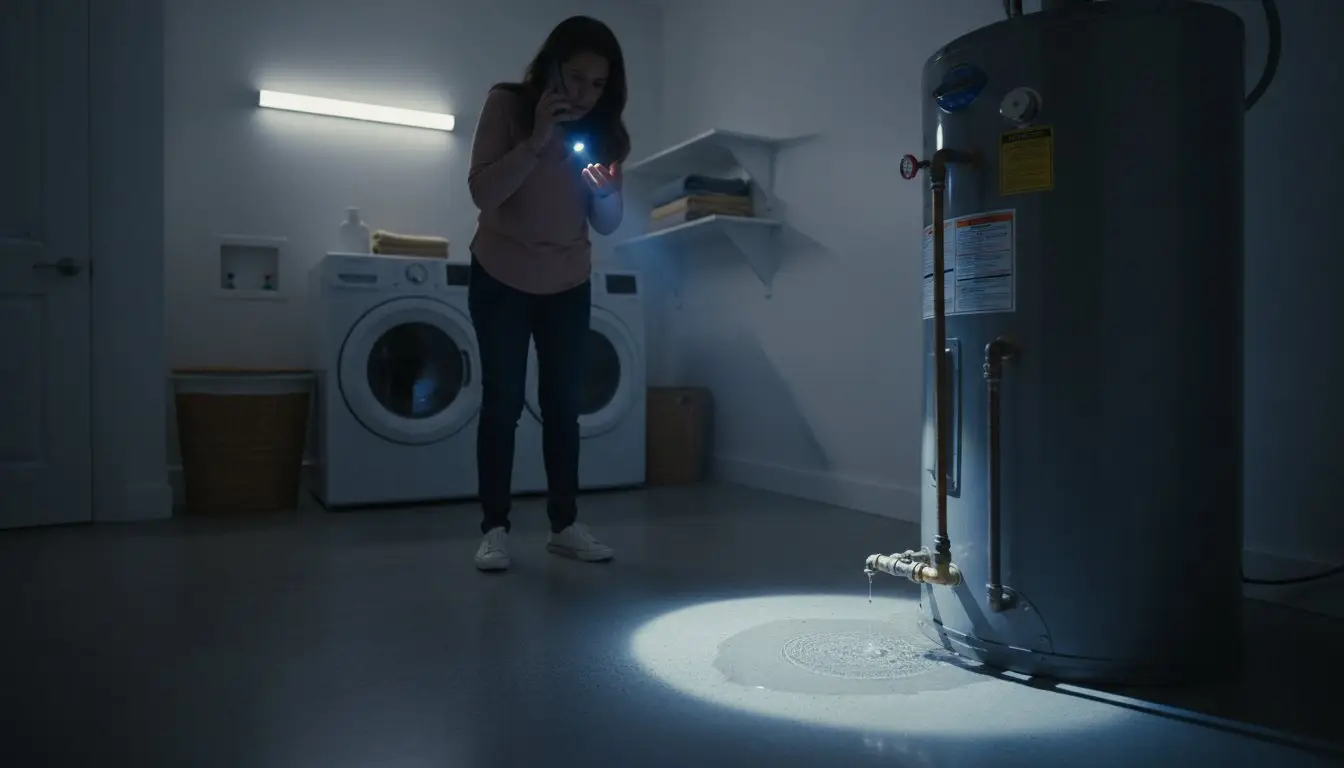
You walk into your laundry room and find your new water heater leaking across the floor just forty-eight hours after the plumber left your home. It’s a sickening feeling that combines the fear of mold with the anger of being overcharged for sloppy work. Knowing exactly what to do if a plumber does a bad job in Florida is the only way to stop the damage and start the recovery process. You deserve a plumbing system that works and a contractor who respects your property. We know how stressful these situations are, and we’re here to help you navigate the mess with calm, professional advice.
This guide outlines the precise steps to document defects and protect your rights under Florida law. We will explain how to use the Chapter 558 notice process and why the state’s seven-year statute of repose means you must act quickly. You’ll learn how to secure a refund, navigate disputes with the licensing board, and find a reliable expert who should have been your first choice from the start. From Port St. Lucie to Land O’ Lakes, we have the local knowledge to help you move past a bad hire and get your home back to normal.
Key Takeaways
- Stop any active work immediately and document the damage with clear photos before starting any cleanup or repairs.
- Understand your legal rights under Florida Statute Chapter 558, which requires a specific notice period before you can file a lawsuit.
- Discover what to do if a plumber does a bad job in Florida, including how to request a line-itemed quote from a new contractor to separate repair costs from original project completion.
- Secure your home’s future by learning how to verify professional license prefixes and choosing local experts who stand behind their work.
Immediate Actions: How to Document Subpar Plumbing Work
Stop the work immediately. If you spot active leaks, smell sewer gas, or notice obvious code violations like unvented traps, tell the plumber to stop. Continuing the job only hides the evidence and increases your eventual repair costs. You have a right to expect quality; protecting your home starts with a hard stop. This is the first and most critical step in knowing what to do if a plumber does a bad job in Florida.
Use your phone to capture high-resolution photos and videos. Don’t just take one shot; get at least five different angles of every suspect joint or fixture. Record videos of water leaking or drains gurgling to prove the issue exists under pressure. If the plumber left behind discarded old pipes or opened packages of substandard materials, secure them in a dry area. These physical items are vital evidence of poor workmanship. Review your original written estimate or contract to see if the work performed matches the promised scope. Discrepancies here are often the strongest leverage you have.
The Paper Trail: What to Keep
Every text message and email matters. Save your call logs to show exactly when you reached out for help. If you paid by check or credit card, organize those receipts immediately. If the contractor requested “cash-only” payments, write down the date, time, and amount of each transaction while the memory is fresh. These documents form the foundation of your rights under consumer protection laws. Having a clear, chronological record makes it much harder for a “cowboy” contractor to dispute your version of events.
When to Call for Emergency Help
Sometimes you can’t wait for a legal dispute to resolve before taking action. If your home is actively flooding or you have no working toilets, you need immediate stabilization to prevent mold and structural rot. In these cases, you should call for emergency plumbing repairs to secure your property. A reliable technician can fix the immediate crisis and provide a professional report on what went wrong with the previous job. This documentation is a powerful tool when you’re deciding what to do if a plumber does a bad job in Florida.
Navigating Florida Law: Chapter 558 and Your Legal Rights
Florida law provides a specific framework for resolving disputes over faulty workmanship. If you are wondering what to do if a plumber does a bad job in Florida, your first legal hurdle is Florida Statute Chapter 558. This law requires you to provide the contractor with a written “Notice of Claim” at least 60 days before filing a lawsuit. This period allows the plumber to inspect the defect and offer a fix, known as the “Right to Cure.” Skipping this step can lead to your case being stayed or dismissed in court. It’s a mandatory pause designed to settle issues without expensive litigation.
Always verify the plumber’s credentials through the Department of Business & Professional Regulation (DBPR) website. A licensed professional is bound by state standards; an unlicensed one is operating illegally. If the damage is relatively minor, you might consider Florida’s Small Claims Court. The jurisdictional limit for these cases is currently $8,000. This venue is faster and often doesn’t require an attorney, making it ideal for resolving issues like poorly installed fixtures or minor leaks that don’t involve structural damage.
Filing a Formal Complaint
Protecting yourself and other homeowners involves reporting the issue to the DBPR. While the board won’t force a refund, they can discipline the license holder or even suspend their ability to work in Florida. To start a formal legal dispute, draft a “Notice of Claim” that specifically describes the defect. Use the high-resolution photos you collected earlier to back up your claims. This letter must be sent via certified mail to ensure you have proof of delivery.
Small Claims vs. Construction Litigation
For damages under $8,000, Small Claims is usually the most efficient path. However, if the bad job resulted in major structural damage or requires extensive slab leak repair, costs can quickly exceed that limit. In these high-stakes scenarios, involving a construction attorney is necessary to navigate the complexities of insurance claims and litigation. If you need a clear assessment of the damage to support your case, we can provide a professional second opinion to help quantify the necessary repairs.
Fixing the Mess: Getting a Professional Second Opinion
Once you’ve stopped the work and reviewed your legal rights, you need a technical expert to evaluate the damage. Hiring a licensed, highly-rated Florida plumber to perform a “Correction Inspection” is a vital step. This isn’t a standard service call; it’s a forensic look at the system to identify exactly where the previous contractor failed. This professional report serves as your primary evidence if you decide to pursue a refund or legal action. It’s the most effective way to handle the technical side of what to do if a plumber does a bad job in Florida.
Request a line-itemed quote from the new plumber that explicitly separates “repairing the damage” from “completing the original job.” This distinction is critical for insurance adjusters and small claims judges. Ensure your new contractor documents every code violation by specifically referencing the Florida Building Code. Technical precision here prevents the original plumber from claiming the work was simply a “matter of opinion” rather than a failure to meet state safety standards.
The Correction Inspection Checklist
A master plumber will look for issues that aren’t visible to the naked eye. They should verify pipe sizing, check material compatibility, and ensure all venting meets local requirements. We often perform sewer camera inspections to check for internal blockages or cracked lines that may have been caused by improper installation. Identifying these hidden defects now prevents a secondary emergency six months down the road.
Paying for the Fix
If the subpar work caused sudden water damage, your homeowner’s insurance might cover the restoration costs. Provide your adjuster with the detailed correction report to speed up the claim. For major repairs that weren’t in your original budget, we offer financing options to help you stabilize your home’s plumbing without a massive upfront hit to your savings. If you need a reliable expert to assess a botched project, schedule a professional inspection with our team today to get your home back on track.
How to Hire a Reliable Florida Plumber Next Time
Finding a trustworthy contractor shouldn’t feel like a gamble. Your first step is to verify the “CFC” or “RF” license prefix on the Florida DBPR website. These prefixes indicate a state-certified or registered contractor who has passed rigorous testing and background checks. Choosing a company with a physical presence in Port St. Lucie or Land O’ Lakes ensures you are working with neighbors who value their local reputation. This proactive approach is the most effective way to avoid wondering what to do if a plumber does a bad job in Florida.
Look for “Upfront Pricing” models. Transparent companies provide a clear price before the work begins, protecting you from mid-job cost spikes. If a project involves high-stakes repairs, check for specialized certifications in leak detection or advanced sewer diagnostics. These credentials prove the technician has the specific training needed for complex residential systems. Always ask for proof of insurance and a written guarantee on both parts and labor to secure your investment.
Red Flags in the Florida Market
Avoid any contractor who asks you to pull your own “owner-builder” permits. This is a common tactic used by unlicensed individuals to shift legal liability and code compliance onto the homeowner. Additionally, be wary of unsolicited door-to-door offers, especially after major Florida storms. Reliable local experts are usually busy serving their existing community; they don’t need to solicit work in your driveway. If a deal feels too good to be true, it likely is.
The Value of Local Expertise
Florida’s unique environment requires specific technical knowledge. Local experts understand how our high mineral content and sandy soil affect pipe replacement and filtration needs. For a detailed roadmap on vetting contractors, read our guide on choosing the best plumber in Port St. Lucie. We’ve got you covered with the technical authority and neighborly warmth you deserve for every repair or installation.
Secure Your Home and Resolve Your Plumbing Dispute
You don’t have to live with the lingering stress of a botched plumbing project. By following the legal steps under Florida Statute 558 and securing a detailed forensic report, you can turn a household disaster into a resolved case. Documenting every defect immediately and verifying state licenses before any new work begins are your most powerful tools. Knowing exactly what to do if a plumber does a bad job in Florida allows you to move from a state of panic to a state of clear, actionable progress.
Our team is ready to step in as your steady hand. We provide the technical expertise needed to document failures and the master craftsmanship to fix them right the first time. As a licensed and insured contractor (CFC1428695), we offer 24/7 emergency response throughout Port St. Lucie and Land O’ Lakes. You can always count on our upfront, no-surprise pricing for every repair or restoration project. Get a Professional Second Opinion from Our Licensed Florida Team today to restore your peace of mind and your home’s safety. We’ve got you covered.
Frequently Asked Questions
Can I fire a plumber before the job is finished in Florida?
You can terminate a plumber at any time, but you should review your written contract for specific cancellation clauses to understand your financial obligations. If you notice active safety hazards or blatant code violations, it is often best to stop the work immediately to prevent further property damage. Document the exact state of the project with photos at the moment of termination to protect yourself against claims for work that was never completed.
Does Florida law require a plumber to be licensed for residential repairs?
Florida law strictly requires a state-certified or registered license for almost all residential plumbing tasks, including water heater installations and sewer repairs. Hiring an unlicensed individual is a significant risk that can lead to denied insurance claims and failed building inspections. Always verify a “CFC” or “RF” license prefix on the DBPR website to ensure your technician has met the state’s rigorous training and insurance requirements.
What is the “Right to Cure” in Florida construction disputes?
The “Right to Cure” is a mandatory legal process under Florida Statute Chapter 558 that requires homeowners to notify contractors of defects before filing a lawsuit. You must provide a written notice at least 60 days before taking legal action, giving the plumber an opportunity to inspect the issue and offer a fix or a settlement. This process is a critical part of knowing what to do if a plumber does a bad job in Florida.
Can I sue a plumber for poor workmanship in Small Claims Court?
You can sue a plumber in Florida Small Claims Court if your total damages are $8,000 or less. This venue is designed for homeowners to resolve disputes quickly without the heavy expense of a construction attorney. You will need to present clear evidence, such as a line-itemed quote from a second licensed plumber and the documentation of the original defects, to prove the work failed to meet state standards.
How do I report an unlicensed plumber in Florida?
Report unlicensed plumbing activity directly to the Florida Department of Business and Professional Regulation (DBPR) using their online complaint portal. Provide as much detail as possible, including the individual’s name, their vehicle’s license plate, and the specific address where the work occurred. While the state board cannot force a contractor to pay you back, reporting them helps protect your neighbors from similar financial loss and substandard workmanship.

Article by
Written by First Choice Plus Plumbing & Air Team
This article was created by the team at First Choice Plumbing Solutions, a licensed and experienced plumbing and HVAC company serving Port St. Lucie, Land O’ Lakes, and surrounding areas.
Our team specializes in plumbing and air conditioning services, including drain cleaning, leak detection, water heater repair and installation, AC repair, maintenance, and system installations. Our content is based on real-world experience and the common issues we solve for homeowners and businesses every day.
We aim to provide accurate, helpful, and easy-to-understand information so you can make informed decisions about your plumbing and HVAC needs.
If you need reliable, professional service, First Choice Plumbing Solutions is here to help.
Disclaimer
Disclaimer: The information provided in this article is for general informational purposes only and does not constitute professional plumbing or HVAC advice. Every situation is different, and readers should consult a licensed professional for proper diagnosis and repair. First Choice Plus Plumbing & Air is not liable for any damages or losses resulting from the use of this information.