
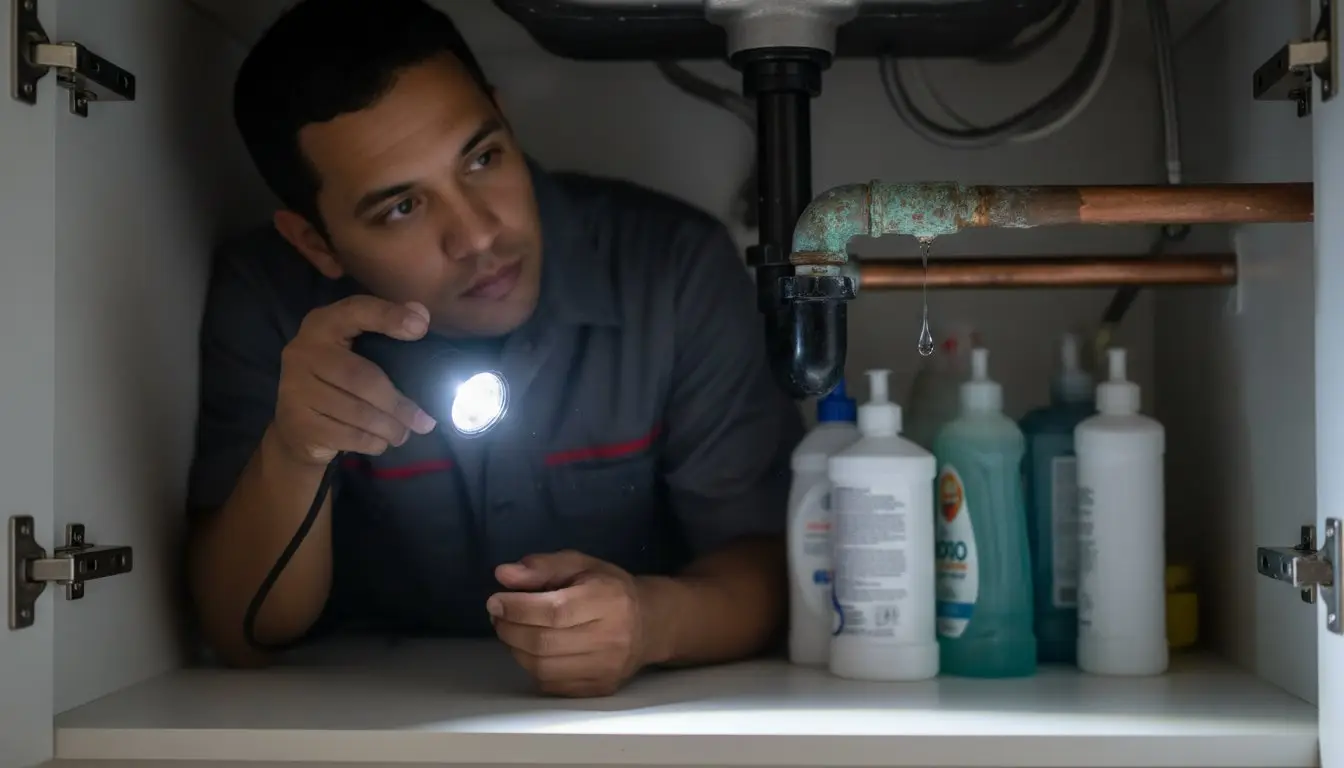
Imagine waking up on a humid Tuesday morning in Port St. Lucie only to find your shower has slowed to a frustrating trickle and the water has a distinct metallic tang. For many homeowners in our community, these aren’t just minor annoyances; they are the first signs your house needs repiping before a hidden slab leak turns your living room into a swimming pool.
You shouldn’t have to feel anxious every time you open a rising utility bill or hear an unusual dripping sound behind your walls. It’s common to hope these issues just go away on their own, but Florida’s unique soil conditions and water chemistry can be incredibly tough on aging plumbing systems. At First Choice Plumbing Solutions, we believe you deserve total peace of mind regarding your home’s safety and efficiency.
We’ll show you how to identify the critical warning signs of pipe failure before they lead to catastrophic water damage. This checklist provides a clear framework to help you understand the specific risks facing Port St. Lucie properties and determine exactly when it’s time to take action.
Key Takeaways
- Spot the subtle red flags, such as sudden pressure drops or visible corrosion, that are clear signs your house needs repiping before they cause major damage.
- Understand how local factors like Florida’s hard water and aging polybutylene pipes accelerate plumbing failure in Port St. Lucie homes.
- Uncover the hidden dangers of slab leaks and learn why these “invisible” failures are particularly common in Florida’s concrete-based constructions.
- Explore why modern PEX piping is the preferred choice for local homeowners looking for a durable, long-term solution to recurring plumbing issues.
- Get a clear breakdown of the repiping timeline so you can plan for a seamless upgrade that protects your home with minimal disruption.
Signs Your House Needs Repiping: The Essential Homeowner Checklist
Your home’s plumbing system is largely invisible, but it communicates through performance. When you notice a persistent drop in water pressure across multiple fixtures simultaneously, it usually indicates internal scaling or a significant leak. In Port St. Lucie, where older homes often feature outdated materials, a sudden 20% spike in your monthly utility bill often serves as the first warning of a hidden failure. You might also hear strange noises like banging or whistling when the water runs. These sounds, known as water hammer, suggest that your pipes are struggling to handle the flow. If you see “furry” mineral buildup or green corrosion on exposed joints in your garage or crawlspace, these are clear signs your house needs repiping before a major burst occurs.
Visual Indicators in Your Water and Fixtures
Pay close attention to the water during the first draw of the day. If the liquid running into your tub looks yellow or rust-colored for the first 10 seconds, your pipes are likely oxidizing from the inside out. This internal decay often releases dark flakes of sediment that clog your faucet aerators or showerheads, reducing flow. Understanding the different types of Piping and plumbing fitting materials helps explain why older galvanized steel or thin copper eventually fails. Beyond color, an unpleasant metallic taste or persistent odors that smell like copper or sulfur usually mean your water is reacting with deteriorating pipe walls despite your filtration efforts.
Hidden Red Flags Behind Your Walls
Not every leak presents as a puddle. Musty odors or unexplained damp spots on your drywall or baseboards indicate slow, persistent weeping from aged joints. If you feel a specific warm spot on your tile or laminate floor, you likely have a slab leak in a hot water line. Many homeowners fall into a “never-ending leak” cycle, where they fix one pinhole only for another to appear 3 months later. At First Choice Plumbing Solutions, we recommend a professional repipe and repair assessment when multiple leaks occur within a single year. Constant patching is often a temporary fix for a systemic problem that requires a permanent solution to protect your home’s equity.
Why Material Matters: Identifying Risky Pipes in Treasure Coast Homes
Your home’s age tells a story about what’s happening behind your walls. If your house was built between 1978 and 1995, you likely have plumbing materials that are reaching their breaking point. Polybutylene is ‘the lead pipe of the 90s’ due to its fragility. This material, along with aging metal, creates the most common signs your house needs repiping.
The Polybutylene and Galvanized Steel Problem
Check your utility closet or the connection to your water heater to identify your pipe material. If you see flexible, gray plastic tubing, you’re looking at polybutylene. While it was cheap to install, the chlorine in our municipal water supply causes a chemical reaction that makes the plastic brittle from the inside out. It doesn’t just leak; it eventually shatters without warning. Galvanized steel is equally risky for Treasure Coast homes over 40 years old. These pipes rust internally, narrowing the path for water until your pressure drops to a trickle. While we often discuss the dangers of lead pipes in older infrastructure, the heavy internal corrosion in galvanized lines can also trap contaminants and ruin your water quality.
Understanding Pipe Lifespans in the Florida Climate
In the Stuart and Palm City area, local conditions play a massive role in plumbing longevity. Copper pipes usually last 50 years, but Florida’s hard water causes internal pitting that can lead to pinhole leaks much sooner than expected. PVC and PEX are more resilient, often lasting 70 years or more, though high humidity and salt air can degrade exposed fittings and external valves. If you aren’t sure what’s under your floors, check out our Repiping a House in Port St. Lucie: The Complete 2026 Homeowner’s Guide for a deeper dive. Keeping an eye on these materials is one of the clearest signs your house needs repiping before a major flood occurs.
If you’re seeing rust-colored water or feeling a sudden drop in pressure, it’s time to schedule a professional inspection to protect your home’s foundation and your peace of mind.
The Connection Between Aging Pipes and Costly Slab Leaks
In Port St. Lucie, most homes sit on a concrete slab foundation. While this provides stability, it also hides your plumbing system from view. When pipes age, they fail out of sight. A slow, steady drip under your floor can erode the ground beneath your home, leading to foundation cracks or heaving. A slab leak is often the final symptom of a system-wide pipe failure. Instead of chasing leaks through your floor, a whole-house repipe bypasses these hidden issues entirely and secures your home’s structural integrity.
Why Florida Homes Are Prone to Under-Slab Failures
Our local geography plays a major role in plumbing health. Port St. Lucie features sandy soil that shifts during heavy rains or dry spells. This movement puts immense stress on rigid copper or galvanized steel pipes. Additionally, electrolysis occurs when soil chemistry reacts with metal pipes, creating tiny pinhole leaks. Beyond the physical damage, older pipes increase the risk of the dangers of lead in drinking water due to internal corrosion. Look for these signs of a slab leak:
- Cracks in your floor tiles or grout lines.
- Dampness or discoloration along baseboards.
- Unexplained warm spots on the floor.
- A sudden spike in your monthly water bill.
Why Patching a Single Leak Might Be a Sunk Cost
Fixing one leak is often just a temporary band-aid. When you patch a single weak spot, you increase the water pressure on the rest of the aging system. This often triggers a “domino effect” where new leaks appear just weeks after a repair. Dealing with multiple emergency plumbing repairs can quickly cost more than a proactive repipe. By choosing to repipe, you avoid the high costs of invasive slab leak detection and repair that requires jackhammering your floors. If you see these signs your house needs repiping, it’s time to act before the damage spreads to your foundation.
Protect your home today. Schedule your Port St. Lucie plumbing inspection with our expert team to get an honest assessment of your pipes.
Planning Your Whole-House Repipe: What to Expect in Port St. Lucie
Once you’ve identified the clear signs your house needs repiping, the focus shifts to selecting the right materials and planning the project. In Port St. Lucie, PEX (cross-linked polyethylene) has become the gold standard for residential plumbing. It’s incredibly flexible, which allows our technicians to snake pipes through existing wall cavities with minimal demolition. PEX is also highly resistant to the mineral scale buildup common in Florida’s water, ensuring consistent pressure for decades. Ignoring the signs your house needs repiping often leads to emergency leaks, but a proactive PEX installation provides a reliable, corrosion-proof solution.
The Modern Repiping Process (PEX vs. Copper)
While PEX is the favorite for 90% of modern Florida homes due to its cost-efficiency and freeze resistance, copper remains a premium choice for specific applications. Copper offers a 50 year lifespan and superior heat resistance, making it ideal for certain high-temperature lines or outdoor exposures. We never guess which material is best for your unique property. Every project begins with professional plumbing inspections to assess your current infrastructure and local water chemistry. This diagnostic step ensures your new system meets all Port St. Lucie building codes and performance standards.
Protecting Your Investment with Professional Installation
A whole-house repipe is a significant upgrade that pays dividends in home equity and safety. Updating your plumbing can increase a home’s resale value and is often a requirement for securing favorable insurance rates in Florida. Many local carriers now offer a 10% to 15% discount on premiums once old galvanized or polybutylene pipes are replaced. Our team at First Choice Plumbing Solutions streamlines the timeline, typically completing a standard 3-bedroom home in 2 to 5 days. Modern repiping rarely requires moving out of the home during the process, as we work efficiently to keep your water service active during evening hours.
- Upfront Pricing: We provide clear, honest estimates with no hidden fees.
- Minimal Disruption: Our “clean-site” promise means we protect your floors and furniture throughout the project.
- Guaranteed Craftsmanship: Every joint and connection is tested to ensure long-term reliability.
DIY repiping often leads to expensive code violations or denied insurance claims after a leak. Trust our certified experts to handle the heavy lifting with the “neighborly warmth” and technical precision our community expects. We’ve got you covered from the first inspection to the final pressure test. Schedule your whole-house plumbing assessment today to protect your home for the future.
Protect Your Treasure Coast Home with Modern Plumbing
Don’t ignore the clear signs your house needs repiping, especially if you live in an older neighborhood where aging materials are common. Whether you’ve noticed sudden drops in water pressure or discolored water coming from your faucets, these issues rarely fix themselves. Left alone, deteriorating pipes often lead to devastating slab leaks that can compromise your home’s foundation. Since 2007, First Choice Plumbing Solutions has helped Port St. Lucie homeowners navigate these complex repairs with transparency and technical expertise. We specialize in advanced slab leak detection to catch problems before they become expensive catastrophes.
Our team is available 24/7 for your peace of mind. We’ll guide you through every step of the repiping process, ensuring your new system meets modern standards and protects your property for decades. You don’t have to face a plumbing crisis alone. We’ve got you covered with upfront pricing and reliable service that treats your home with respect. It’s time to secure your home’s future with a permanent solution.
Get a Professional Whole-House Repipe Estimate in Port St. Lucie
We look forward to restoring your home’s safety and comfort today.
Frequently Asked Questions
How do I know if I have polybutylene pipes in my Florida home?
Identify polybutylene pipes by looking for grey, flexible plastic tubing labeled PB2110 in your attic, crawlspace, or near the water heater. These pipes were installed in roughly 6 million homes across the country between 1978 and 1995. If you see these signs your house needs repiping, give us a call. We’ll provide a professional inspection to confirm the material and ensure your home stays dry and protected.
Is it better to repipe a whole house at once or in sections?
Replacing your entire plumbing system at once is the best way to guarantee long term reliability. While partial repairs might seem faster, they often lead to higher costs because our team must return for multiple service calls as other old sections fail. A full repipe ensures every connection meets modern standards. At First Choice Plumbing Solutions, we’ve got you covered with a comprehensive plan that secures your home’s future.
How long does a typical whole-house repiping project take in Port St. Lucie?
A typical whole house repiping project in Port St. Lucie takes between 2 and 5 business days. For a standard 1,500 square foot home, we work quickly to ensure your water is back on by the end of each evening. Our technicians follow a strict schedule to minimize downtime, and we manage all the necessary local permits so you don’t have to worry about the paperwork.
Will my homeowners insurance cover the cost of repiping?
Most insurance companies won’t pay for the repiping process itself since it’s considered preventative maintenance. However, many Florida carriers now require homeowners to replace polybutylene or aging copper to avoid policy cancellations. If you’ve noticed signs your house needs repiping, it’s a smart investment that often leads to lower premiums. We provide the documentation you need to show your insurer that your home is now leak resistant.
Does repiping my house involve tearing down all my walls?
You don’t have to worry about us destroying your home. We use a surgical approach by making small, strategic cuts in the drywall rather than removing entire walls. These access points are usually placed in inconspicuous areas like the back of closets or behind vanities. After the new pipes are installed, we patch the openings to return your home to its original condition, leaving the workspace spotless.

Article by
Written by First Choice Plus Plumbing & Air Team
This article was created by the team at First Choice Plumbing Solutions, a licensed and experienced plumbing and HVAC company serving Port St. Lucie, Land O’ Lakes, and surrounding areas.
Our team specializes in plumbing and air conditioning services, including drain cleaning, leak detection, water heater repair and installation, AC repair, maintenance, and system installations. Our content is based on real-world experience and the common issues we solve for homeowners and businesses every day.
We aim to provide accurate, helpful, and easy-to-understand information so you can make informed decisions about your plumbing and HVAC needs.
If you need reliable, professional service, First Choice Plumbing Solutions is here to help.
Disclaimer
Disclaimer: The information provided in this article is for general informational purposes only and does not constitute professional plumbing or HVAC advice. Every situation is different, and readers should consult a licensed professional for proper diagnosis and repair. First Choice Plus Plumbing & Air is not liable for any damages or losses resulting from the use of this information.